
WELCOME TO OUR NOVEMBER ENEWS!
As we look ahead to Christmas, it’s a wonderful time to reflect on the difference we can make when we give, share, come together and pray for one another. A gift, an act of kindness or a moment of generosity can go further than we might imagine – bringing help, hope and healing to people living in some of the world’s most isolated communities.
This month, we’re sharing a few stories that remind us of the lasting impact these gifts can have.
the gift of sight
After two and a half years of blindness, Rozalia can see again! Thanks to a MAF flight that brought eye surgeons into her region of Tanzania, one surgery changed everything. What was once a retirement home became a place of celebration as more than 60 people received the gift of sight. Watch her story below and read more here.
the gift of care
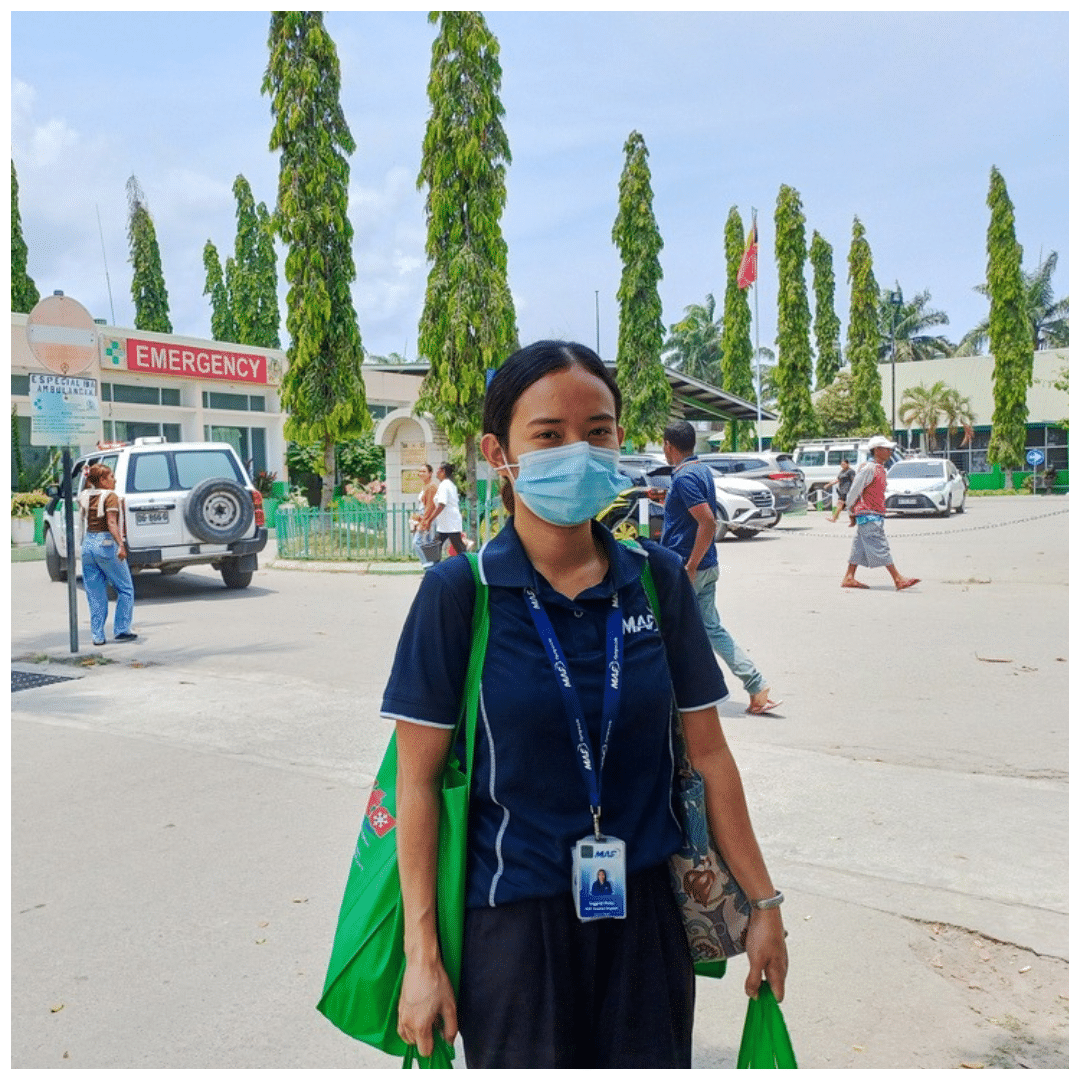
For Inggrid Pinto, being the chaplain for MAF’s Timor-Leste program means caring for people beyond the flight. She supports patients and their families through hospital visits, prayer and encouragement, as MAF flights almost daily connect Timorese people with urgent medical treatment.
Read Inggrid’s story here
THE GIFT OF FUEL
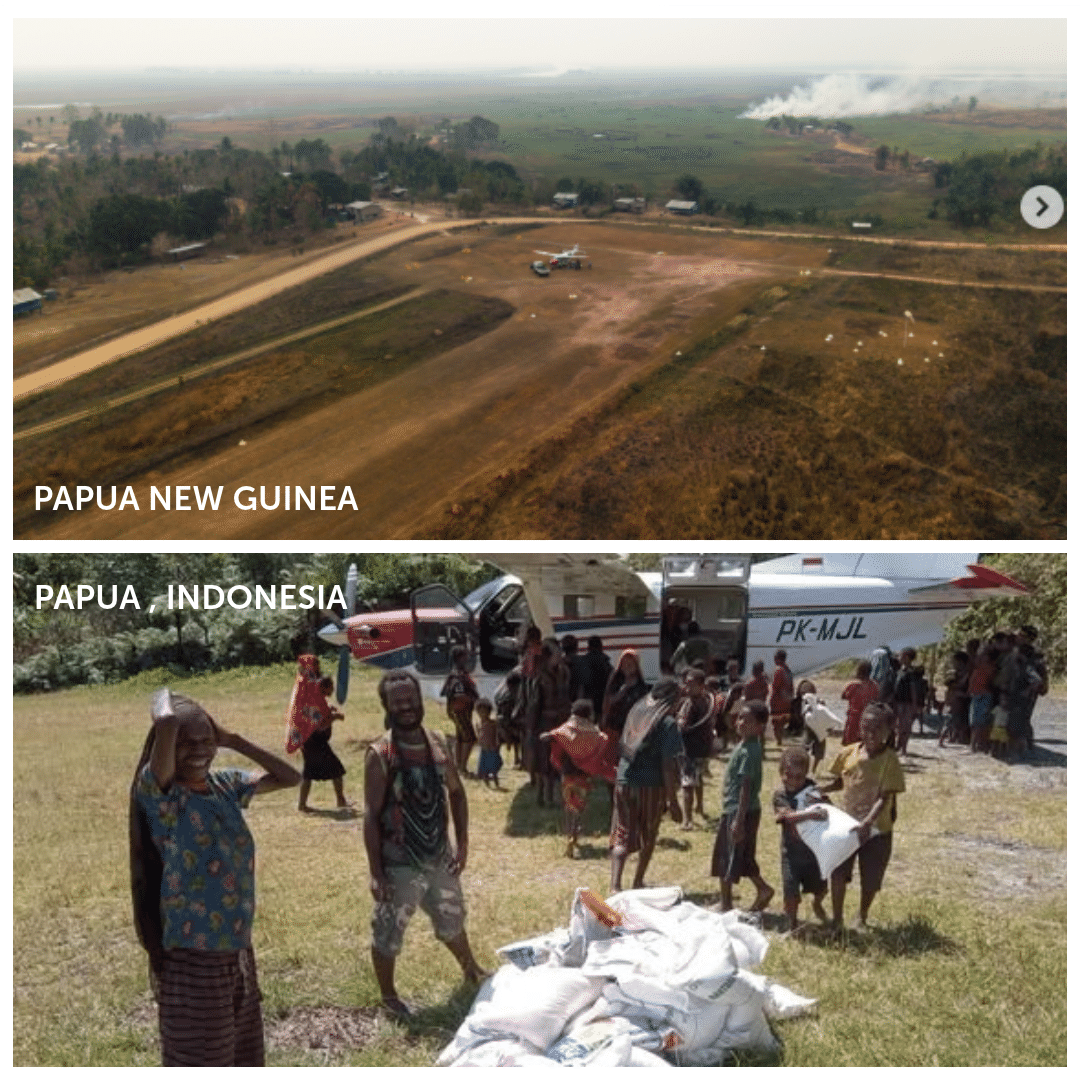
Fuel keeps MAF aircraft flying – bringing essential supplies to remote communities when they need them most. Click here to read about how fuel is making a difference in drought-ridden Papua New Guinea and Papua, Indonesia.
GIFTS THAT MAKE A DIFFERENCE
These stories remind us that the impact of a gift can reach far beyond the moment it is given. Whether it’s restoring sight, bringing comfort to a family or delivering food to a remote village, a gift can help bring practical assistance and hope where it’s needed most.
As you consider your giving this Christmas, would you consider a gift that makes a difference? Explore the ways you can help bring help, hope and healing to people living in isolated communities around the world.
‘God still loves me’: Rozalia regains full independence after surgery
After two and half years of blindness, Rozalia gained sight thanks to the MAF flight that transported eye surgeons to her region. One life-changing operation has turned a retirement home into a celebratory home.
Story by Annet Nabbanja
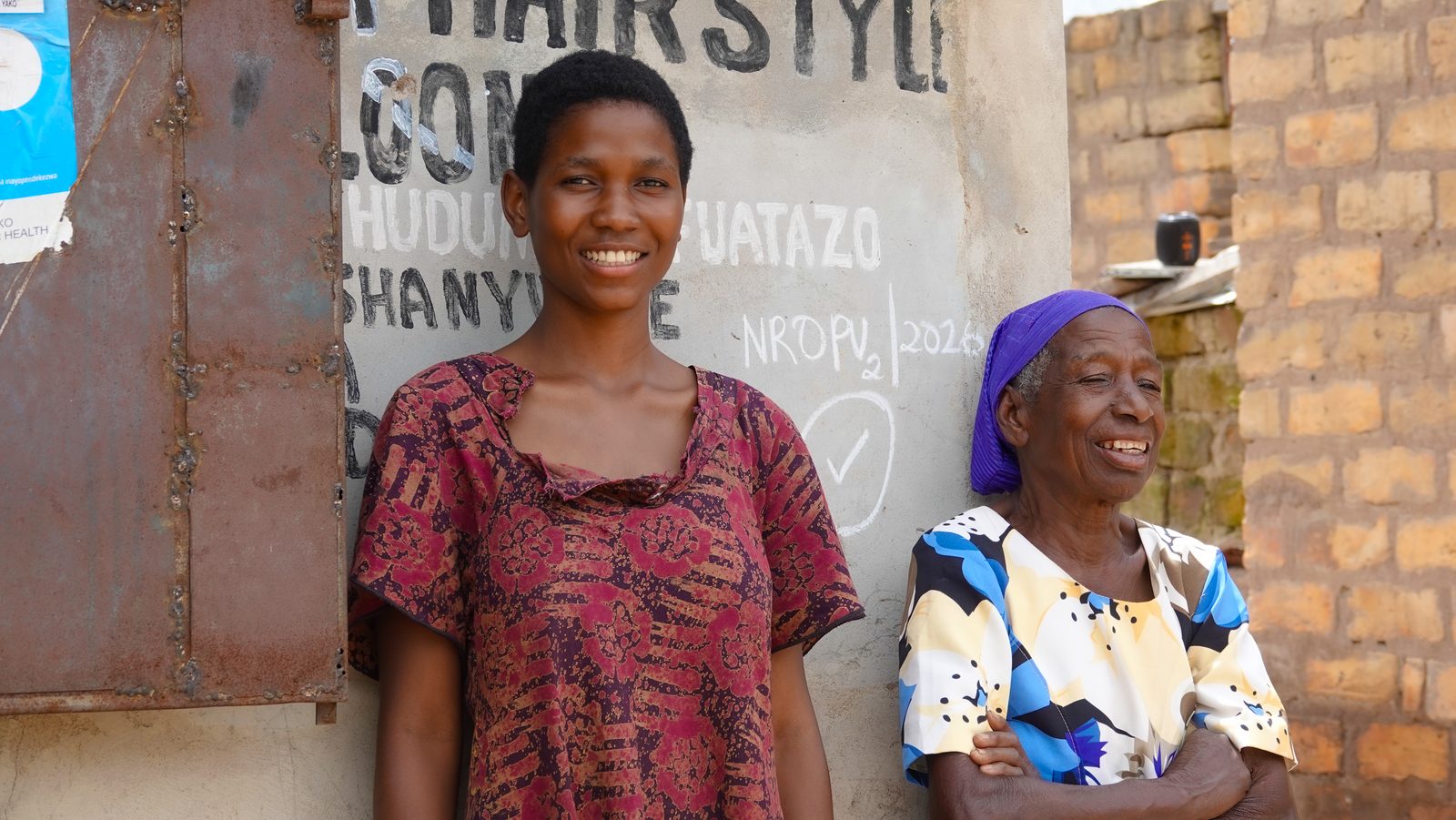
“The pleasure of the world is to see. If you do not see, you have no pleasure,” says 75-year-old Rozalia Masanja Mayunga. For two and a half years, Rozalia lived with blindness that robbed her of all independence and joy. But last year, MAF flew Tanzanian eye surgeon, Dr Erick Msigomba and his team from Njombe to Rozalia’s home region of Tabora. There the team performed surgery that not only restored Rozalia’s eyesight, but also blessed 60 others with their sight and independence once more.
Rozalia and her granddaughter, Cecilia Sylvanus Tanganyika, live in a simple house of only two rooms: a living room and a bedroom with a curtain dividing them. Outside in a small courtyard, maize is drying on a sack. It’ll be used for making flour for ugali (maize meal). In front their house, a sunflower shamba (farm) stretches into the distance, surrounded by shambas of maize and tobacco. Here Rozalia and Cecilia remember their former days of suffering. Today, they are living a happier and more fulfilling life. “I see now,” says Rozalia. “It’s the pleasure of my heart. Life has changed. I go up to wherever and wherever.”
“There is a lot of change we have seen,” says Cecilia. “Now she has the ability to do her activities herself. There is no need to hold her or take her somewhere. She goes by herself without problem, and she sees very well.” Cecilia now spends her days working in the shamba, earning a living. “Rozalia’s healing has a big meaning,” she says. “It gives me time to go and do my other activities, not just to stay and take care of her needs.” Rozalia has become a living testimony that blindness does not always have to be permanent.
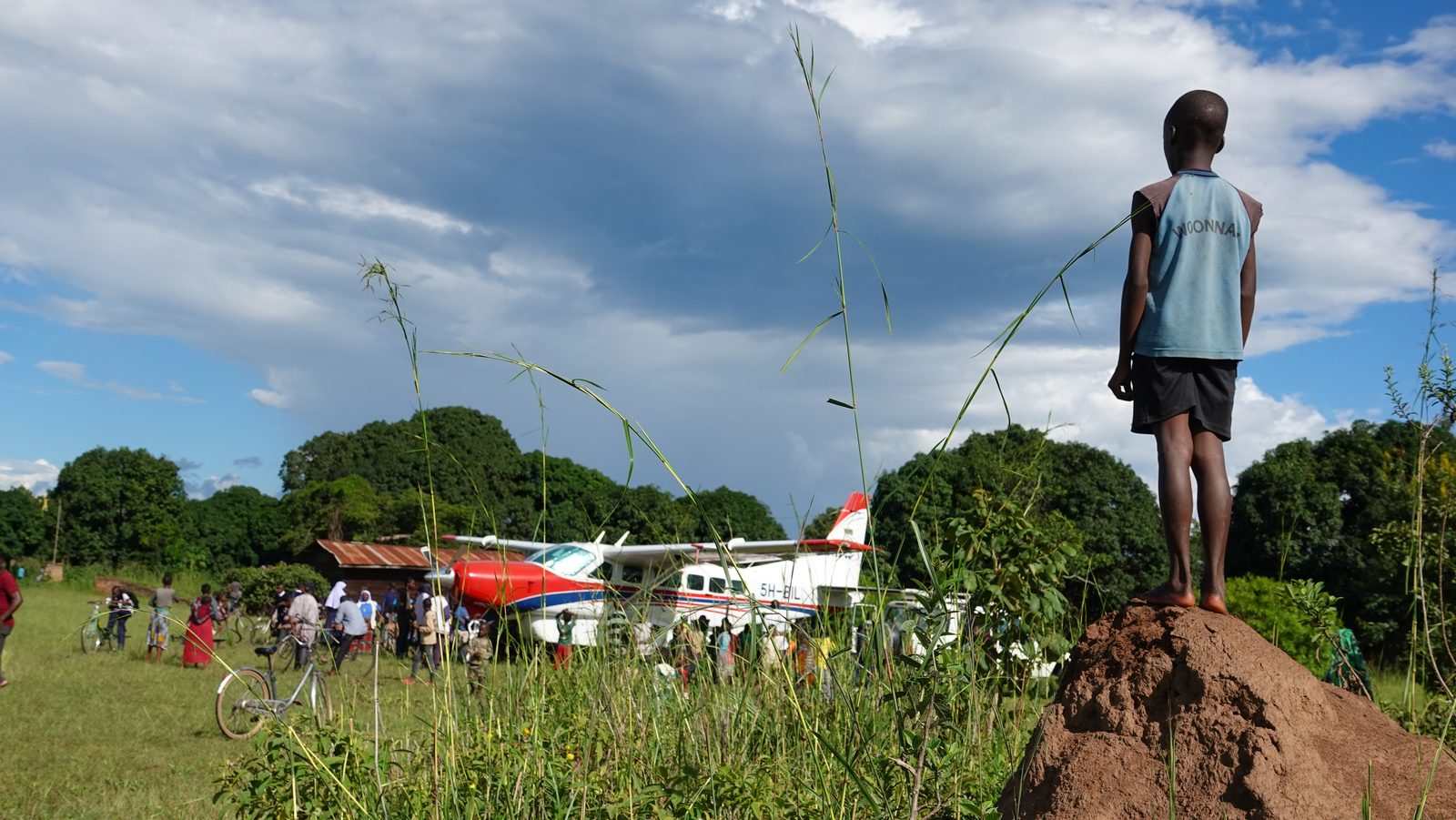
Martha Mollela lives in Rozalia’s neighbourhood. She’s experiencing a lot of pain in her eyes and sees with difficulty. Her husband is completely blind. Rozalia tells Martha of how easy surgery is. She is convinced to go with her husband for treatment when the doctors come back to Kaliua. MAF pilot Peter Griffin describes Dr Msigomba as a man who could have retired and lived a very comfortable life but instead travels around Tanzania serving people. He is grateful that because of MAF, the journey was made possible.
“Being part of helping people reach a place they would never have otherwise reached is such a rewarding experience. It’s not something you can even put into words – you have to witness it,” Peter says. That is a testimony to how much God loves His people.”
People like Rozalia make Dr Erick proud of his work. When he does surgery, he not only restores sight but also independence. The ripple effects of just one surgery are huge, freeing caretakers as well as those who were blind. If carers were students, they become free to go back to school. Otherwise, they can return to work and support themselves and contribute to their families’ livelihood.
“I feel happy and proud,” says Dr Erick. “When you restore someone’s sight, you do more than help them see. Restoring sight is giving someone independence.”
To Rozalia, the regaining of her sight and independence is evidence of much more than human compassion. “God still loves me,” she says.
‘MAF does more than bring people to hospital’
We talked to a hospital chaplain to find out how MAF supports patients and their families – beyond the flights that almost daily connect Timorese people with urgent treatment.
Story by Matt Painter
“I think what we do as a team is really helpful for the Timorese people,” said Inggrid Pinto I, MAF’s hospital chaplain in Dili. “Because MAF does not just help to bring them here to the hospital, but we also give them care and support.
“Sometimes we might think it’s not a big deal, but we can see that, for the patient, especially in their difficult situation, what we do is so meaningful to them. MAF do more than bring people to the hospital.”
Since the early days of the flight operation which began in 2007, members of the MAF team have often visited hospital patients who have been flown in on medevacs from isolated communities. However, in 2023, MAF increased their holistic impact by adding a hospital chaplain to the team.
Inggrid took on the chaplaincy role in 2024 after studying public health in Indonesia. The 28-year-old from Viqueque is excited about MAF’s impact on patients and their families.
“We provide them with emotional support and our presence makes them feel less alone,” she said.
“We don’t just bring them here and then just let them go. We are with them in their difficult situation to provide what they need.”
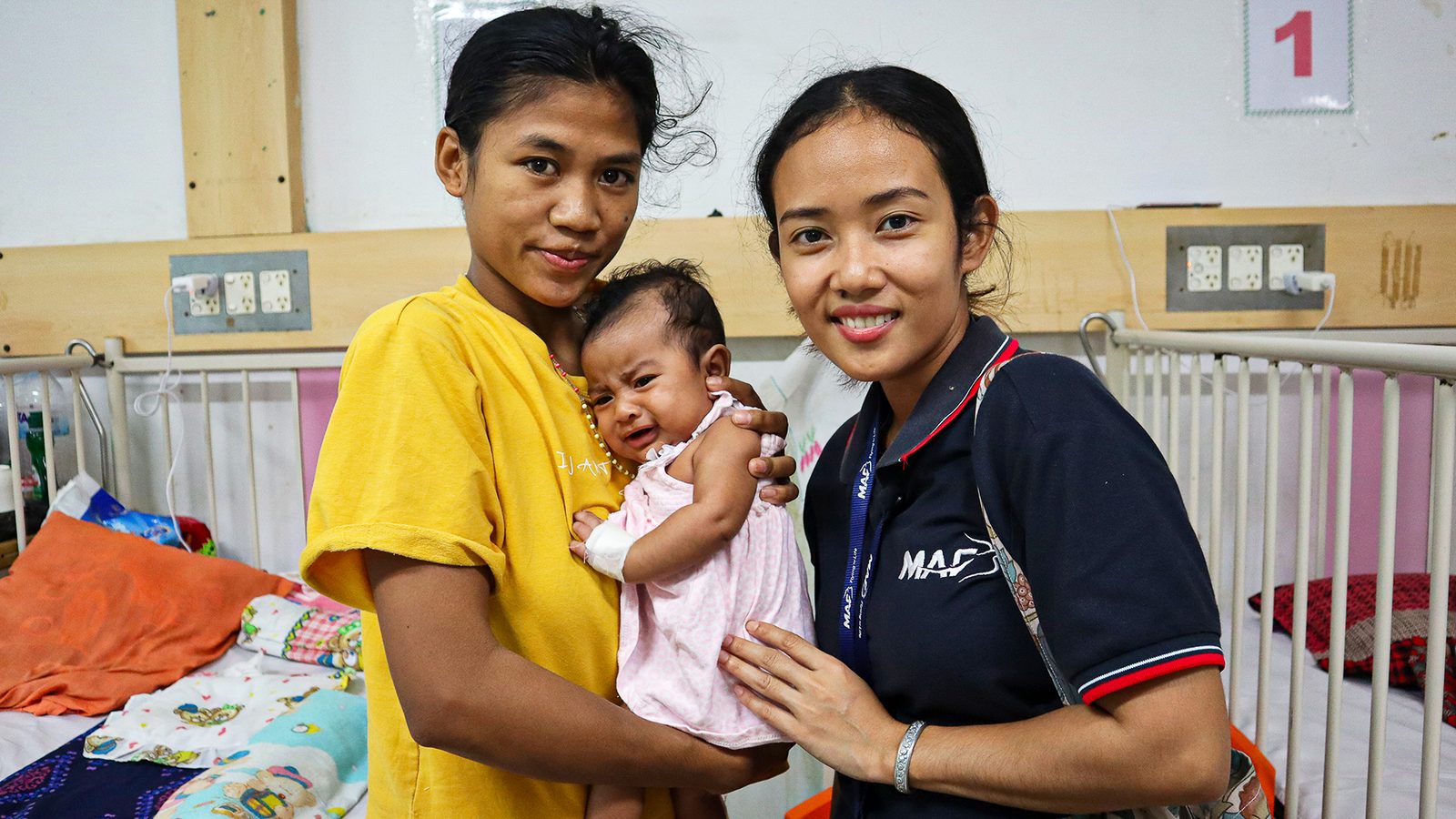
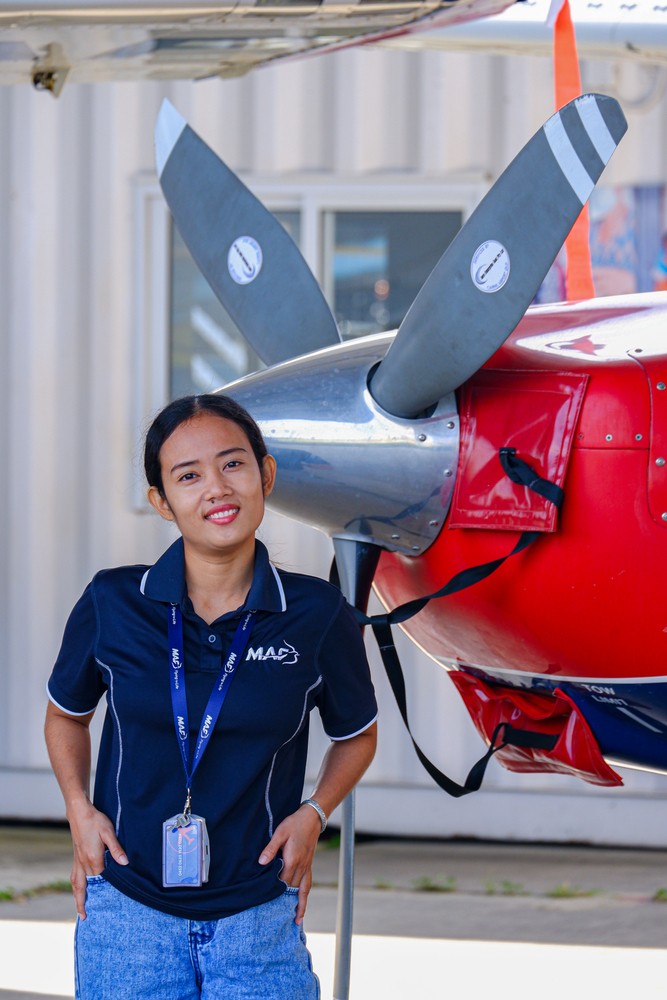
After providing an initial ‘care pack’ of essentials on arrival, Inggrid and other MAF staff make weekly visits to patients and their families who have been flown to the national capital. These chaplaincy visits include further practical gifts and an opportunity to chat and pray with patients together with their families.
Though the task is often physically and emotionally draining, Inggrid finds joy and encouragement in her role. “The thing that I enjoy most is building a good relationship with the patient and the family. We really feel happy if they want to open up with us because we really want to help them, to listen to them,” she said. “We know that God can perform miracles. But I know that miracles don’t happen to everyone. But what I really admire is how even in difficult situations, the families still believe with their faith in God. I really see that faith becomes their hope. And I see how God also blesses them with a brave heart, even in the worst situations.”
Not long ago, Inggrid visited baby Marcelina and her family. After a medevac from Maliana, Marcelina was unconscious, severely ill with meningitis. The possibility of recovery was so low that the doctor told the family that the only option was to pray for their baby. “We see a lot of patients with meningitis, and there’s no hope,” Inggrid said. “And with this one, we thought it would be the same. She was unconscious during our first visit. But the next visit, she was already conscious and just doing fine. They even discharged her and she returned to Maliana with our flight. And that’s how we see God really work, because even the doctor that treated the baby also said that it’s a miracle that the baby can regain her consciousness. I can say it was a miracle.”
Inggrid is also pleased to develop new skills while working with MAF. She also serves in administration and finance; and will soon join the safety team. “When I started, I couldn’t drive,” she added. “I never imagined that I would drive someday! I can say it’s been a great big opportunity for me to learn. I grow through MAF. They offer me the opportunity to learn, and learning how to drive is one example of that.”
Fact box:
- MAF chaplaincy visits impacted more than 1,000 family and community members in 2025
- MAF began operations in Timor-Leste in 2007, and continues to operate in close partnership with the Timorese Ministry of Health and the national ambulance service
- MAF added a hospital chaplain to their Timor-Leste team in 2023
- In 2025, 321 medevacs were carried out for Timorese people in need
- In addition, more than 100 patients and their relatives returned home safely with the Closing the Loop project that allows people to travel home at the cost of a bus or boat fare, thanks to donor support
fuel keeps maf aircraft flying
Fuel keeps MAF aircraft flying – bringing essential supplies to remote communities when they need them most.
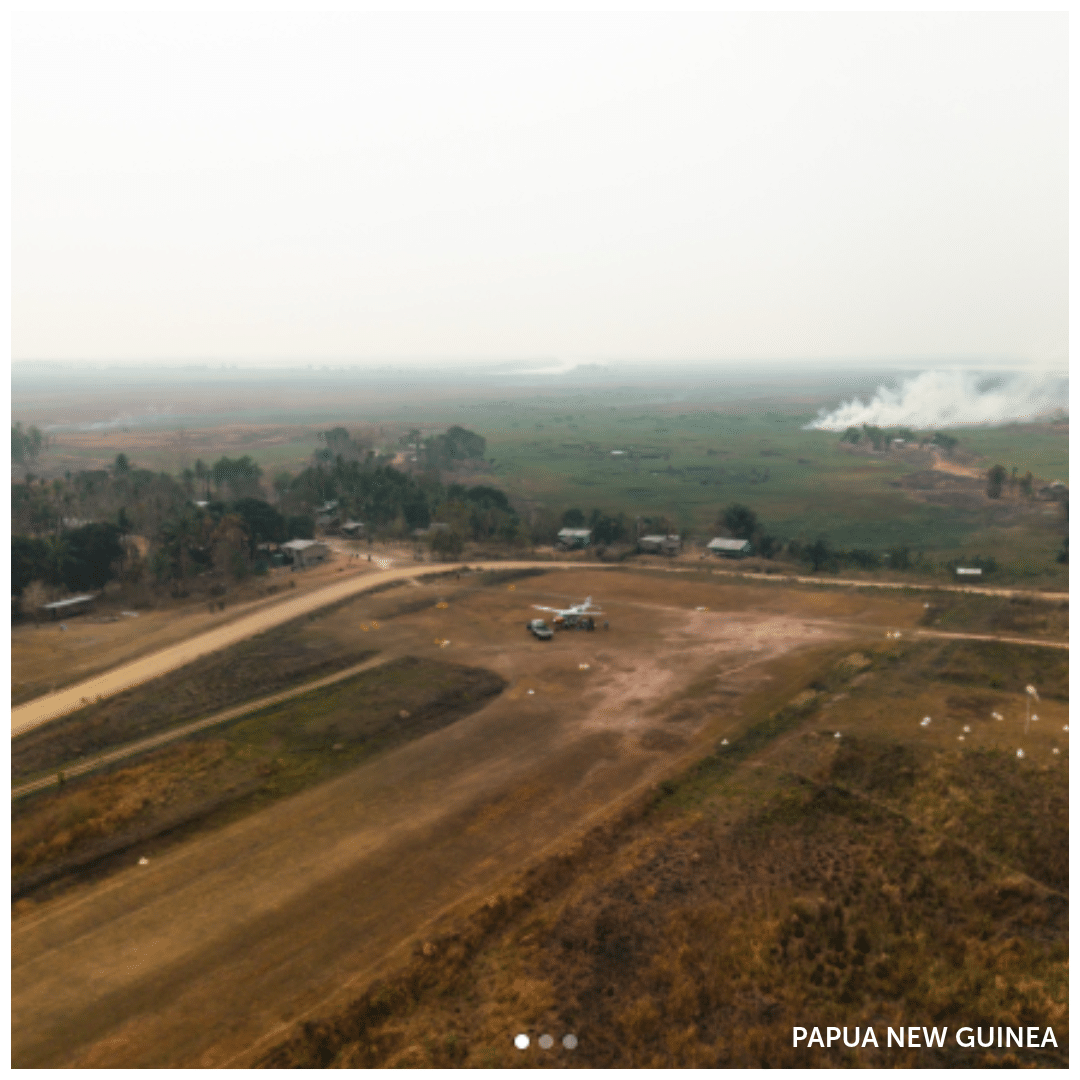
El Niño has hit Papua New Guinea incredibly hard. Prolonged drought has destroyed crops, dried up fishing areas and severely affected people’s livelihoods. MAF teams have been delivering humanitarian aid to some of the hardest-hit places.
Pilot Matt Kaye has witnessed the devastation firsthand. He says, “Many people are dying because of the prolonged lack of rain and the resultant impact on people’s livelihoods. Fires are wiping out generational crops of Sago, and fishing areas have dried up. The air is thick with dust and smoke, and what was once a land covered in water, is now dry. The last big drought was in the 90s and this is forecast to be longer and more severe.”
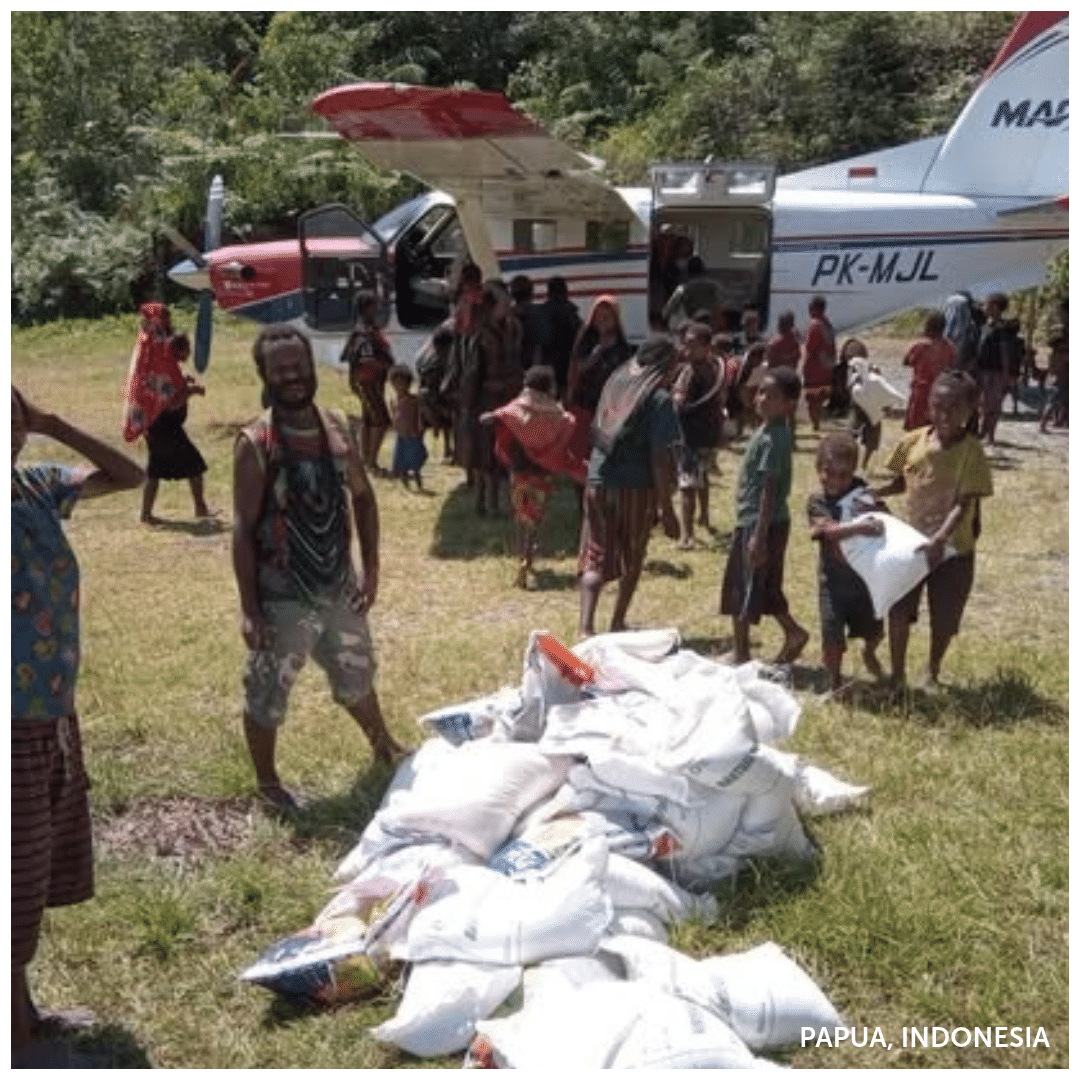
In Papua Indonesia, MAF flights have delivered bags of rice from Wamena to Kwiyawagi, Faowi and Kiyage, where gardens are producing less than usual during the dry season.
Every flight depends on fuel.
Subscribe to eNews
"*" indicates required fields